Exactly How Aluminum Foundry Innovations Are Transforming Aerospace, Automotive, and Tech Manufacturing
Aluminum foundry developments are improving key production industries, specifically aerospace, automobile, and modern technology. Advanced casting strategies and brand-new alloy solutions improve performance while promoting sustainability. These advancements guarantee lighter, more sturdy elements that meet market demands. The complete impact of these innovations is still unraveling. What certain changes are bring about this change, and just how might they redefine future production methods?
The Surge of Aluminum in Aerospace Manufacturing
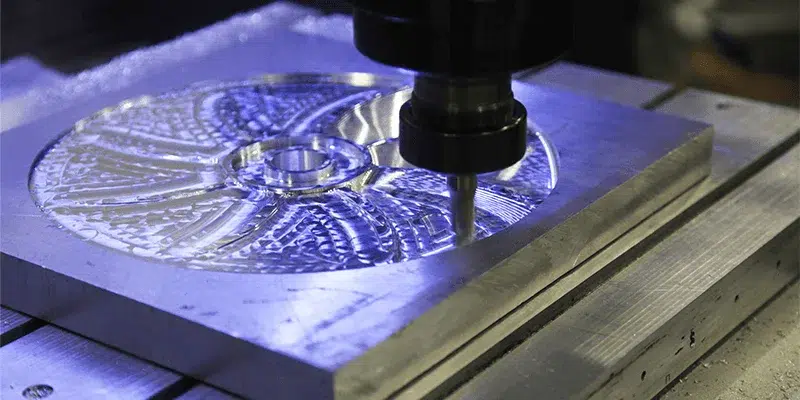
The market's change in the direction of aluminum mirrors a more comprehensive trend of focusing on lasting techniques and cost-effectiveness. Significant aircraft manufacturers have increasingly embraced aluminum alloys, which integrate strength and ductility, making them suitable for vital structural elements. In addition, the recyclability of aluminum aligns with ecological initiatives, making it a preferred choice for modern airplane. Generally, aluminum's distinct attributes and benefits strengthen its placement as a cornerstone in the future of aerospace manufacturing.
Advancements in Aluminum Casting Techniques
While conventional techniques of aluminum casting have actually offered the market for decades, current advancements have changed the way aluminum parts are generated. Developments such as high-pressure die casting and 3D printing have actually improved precision and lowered production times. High-pressure die casting enables thinner walls and even more complicated geometries, helping with the production of lightweight components without jeopardizing stamina. Meanwhile, 3D printing innovation makes it possible for quick prototyping, allowing producers to copyrightine designs more successfully and adapt to changing requirements. Furthermore, developments in alloy formulas have actually resulted in enhanced mechanical residential properties, allowing the manufacturing of elements that meet extensive aerospace and vehicle standards. These strategies not just raise performance however also decrease waste, sustaining sustainable production techniques. As these advancements continue to develop, they assure to better enhance the capacities of aluminum casting, positioning it as an important gamer in modern manufacturing across different markets.
Light-weight Solutions for Automotive Performance
The search of lightweight solutions has come to be a centerpiece in auto efficiency, driven by the need for boosted gas performance and lowered emissions. Car manufacturers are increasingly transforming to aluminum as a main material in lorry layout, maximizing its desirable strength-to-weight proportion. Developments in aluminum foundry procedures have allowed the manufacturing of components that are not only lighter however likewise much more resilient.
As an copyrightple, progressed casting techniques permit makers to produce detailed forms that maximize structural stability while minimizing weight. In addition, the assimilation of aluminum in vital locations, such as engine parts and framework, significantly influences total car dynamics and handling.
As suppliers seek to fulfill regulative standards and customer expectations, the change in the direction of light-weight materials remains to acquire momentum. This fad not only improves car performance however also positions aluminum as a principal in the development of the auto market, leading the way for more reliable and active cars.
Sustainability and Environmental Effect of Aluminum
The sustainability of aluminum manufacturing is increasingly identified for its considerable recycling advantages and decreased carbon impact. By utilizing recycled aluminum, foundries can decrease power usage and greenhouse gas emissions. This method not only sustains ecological goals but likewise boosts economic performance in the production process.
Reusing Aluminum Advantages
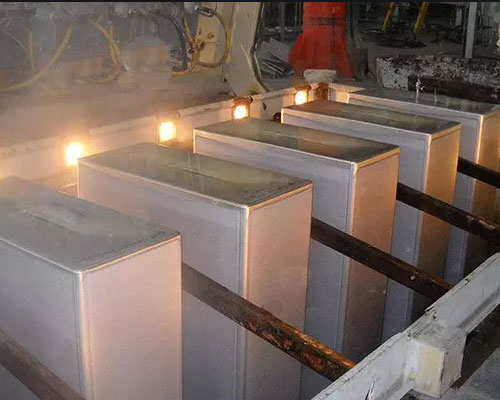
Several markets identify the substantial benefits of recycling aluminum, especially relating to sustainability and environmental influence. Reusing aluminum requires just 5% of the power required to generate new aluminum from raw materials, considerably reducing energy intake. Aluminum Foundry. This process likewise lowers greenhouse gas emissions, adding to a much healthier setting. On top of that, recycling aluminum draws away waste from land fills, advertising reliable source monitoring. The lightweight nature of aluminum enhances gas efficiency in transport, further demonstrating its environmental benefits. Furthermore, recycled aluminum keeps its high quality, making it a functional choice for various applications throughout aerospace, vehicle, and innovation sectors. Eventually, the recycling of aluminum not only preserves resources yet likewise supports a circular economy, fostering sustainable methods within producing sectors
Minimizing Carbon Impact
While important site industries significantly focus on sustainability, minimizing the carbon impact related to aluminum manufacturing has actually become an essential focus. Current advancements in aluminum foundry modern technology objective to decrease emissions throughout the manufacturing procedure. Utilizing eco-friendly power sources, such as solar and wind, substantially reduces greenhouse gas exhausts contrasted to typical fossil fuel-based methods. In addition, developments in reusing strategies improve the effectiveness of redeeming aluminum, additional decreasing the demand for main production and its associated ecological effect. Executing closed-loop systems in foundries enables for the reuse of products, causing reduced energy consumption. As makers across industries accept these innovations, the aluminum market is positioning itself as a leader in sustainable methods, adding to international efforts to fight climate adjustment.
Developments in Aluminum Alloys and Products
Recent innovations in aluminum alloys have concentrated on developing light-weight products that improve efficiency without compromising toughness. Advancements in alloy structures are additionally boosting rust resistance, making aluminum extra long lasting in numerous applications. These advancements are changing the manufacturing landscape, permitting more lasting and effective production methods.
Lightweight Alloy Developments
As markets continue to seek products that improve performance while minimizing weight, technologies in light-weight aluminum alloys are acquiring significant focus. These sophisticated alloys feature optimized compositions that improve strength-to-weight proportions, enabling extra efficient designs in aerospace, vehicle, and innovation sectors. Scientists are developing aluminum-lithium and aluminum-magnesium alloys, which supply enhanced mechanical buildings while keeping low density. Such improvements help with the manufacturing of elements that add to energy performance and lower emissions. Additionally, the incorporation of nanomaterials and progressed processing techniques is additional pushing the boundaries of what light-weight aluminum alloys can attain. Overall, these growths represent a crucial action in the direction of meeting the needs for lasting manufacturing techniques without compromising performance.
Enhanced Rust Resistance
Ingenious approaches to boosting rust resistance in aluminum alloys are changing their applicability across different industries. Current developments entail the growth of new alloy make-ups and surface therapies that significantly improve durability against environmental elements. The incorporation of elements such as magnesium and lithium has produced alloys that show superior resistance to both pitting and stress and anxiety rust breaking. In addition, coverings and anodizing procedures are being refined to offer an added layer of protection, making sure durability in extreme problems. This concentrate on deterioration resistance not only improves the performance of aluminum parts yet additionally minimizes maintenance costs, making them much more attractive for industries such as aerospace, vehicle, and innovation. These technologies assure to broaden the scope of aluminum applications in demanding settings.
Case Studies: Success Stories in Technology Production
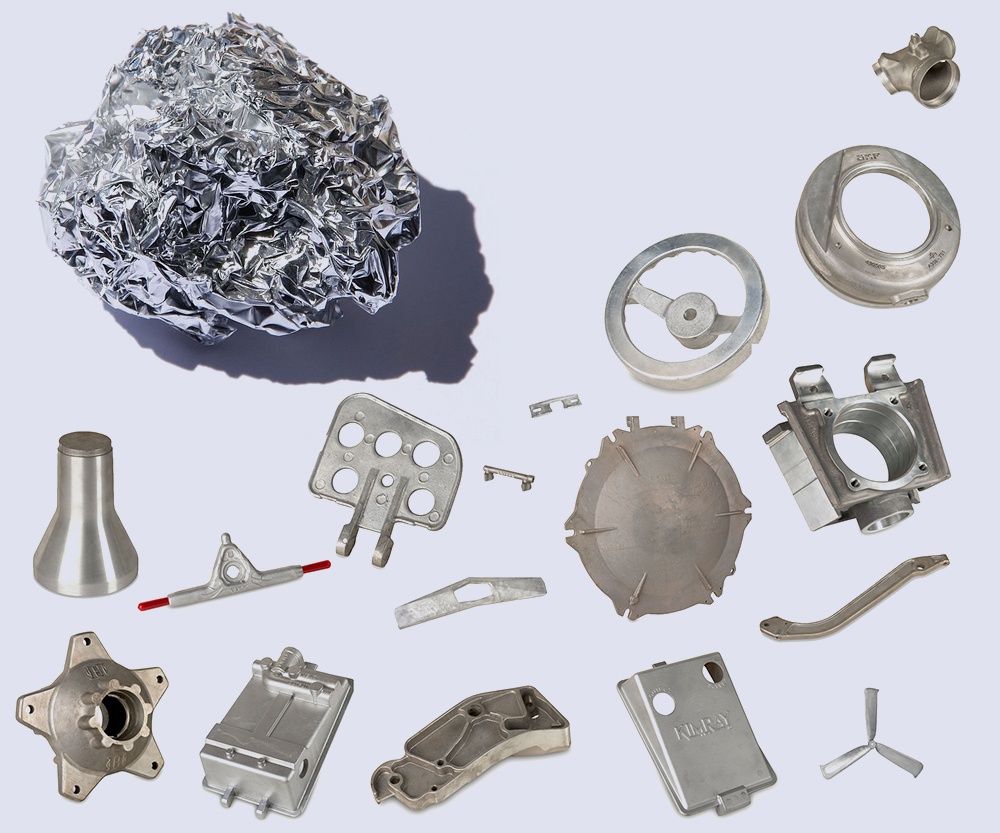
One more instance research includes a startup focusing on drone innovation. By making use of aluminum die casting strategies, the company accomplished rapid production cycles and minimized waste, significantly decreasing their operational costs. This development allowed them to complete successfully in a fast-paced market.
In addition, a significant computer manufacturer executed aluminum extrusions for warm sinks, enhancing cooling efficiency while reducing weight. a knockout post These success tales illustrate just how aluminum foundry innovations are driving efficiency, sustainability, and competitiveness in the technology industry, paving the method for further advancements in making procedures.
The Future of Aluminum Foundry Technologies
The improvements in aluminum foundry innovations are positioned to form the future of manufacturing across various sectors. Technologies such as computerized casting processes, advanced alloy make-ups, and boosted reusing methods are blazing a trail. These innovations use boosted efficiency, reduced Going Here waste, and remarkable product high quality, dealing with the growing demand for sustainable manufacturing practices.
Arising methods, such as 3D printing and expert system, are likewise being incorporated into foundry procedures, optimizing layout and manufacturing workflows. The usage of anticipating analytics enables makers to expect upkeep needs, decreasing downtime and linked prices.
As industries increasingly prioritize light-weight products for enhanced performance and energy effectiveness, aluminum remains a key gamer. The synergy in between cutting-edge modern technologies and standard approaches will likely drive the evolution of aluminum foundries, positioning them as essential contributors to the aerospace, automobile, and tech sectors in the years ahead.
Often Asked Inquiries
What Are the Expenses Connected With Aluminum Foundry Innovations?
The prices associated with aluminum foundry innovations consist of initial investment in sophisticated modern technologies, ongoing maintenance expenditures, workforce training, and prospective rises in basic material costs, affecting overall manufacturing budgets and earnings in different producing fields.
How Does Aluminum Compare to Various Other Steels in Manufacturing?
Aluminum supplies benefits like lightweight buildings, rust resistance, and superb machinability contrasted to other metals, such as steel or titanium. These attributes make it significantly preferred in numerous producing sectors, enhancing performance and efficiency in production procedures.
What Industries Are Taking On Aluminum Foundry Technologies?
The aerospace, auto, and innovation sectors are significantly embracing aluminum foundry technologies, driven by the material's lightweight residential properties, corrosion resistance, and cost-effectiveness, allowing boosted efficiency and performance in manufacturing processes throughout these markets.
Exist Specific Certifications for Aluminum Made Use Of in Aerospace?
Yes, there specify qualifications for aluminum utilized in aerospace, consisting of AS9100 and AMS specifications. These standards ensure reliability, quality, and safety and security, vital for aerospace applications, and are commonly identified within the industry.
How Is Aluminum Recycling Adding to Production Advancements?
Aluminum recycling considerably enhances manufacturing advancements by minimizing power intake, decreasing costs, and minimizing environmental effect. This lasting method fosters development in materials and processes, making certain a round economic climate advantageous for numerous markets, including aerospace and automobile.
As the aerospace sector seeks to enhance performance and fuel efficiency, aluminum has actually arised as an essential material in aircraft production. While conventional approaches of aluminum casting have actually offered the sector for years, recent improvements have transformed the means aluminum elements are produced. Recycling aluminum calls for just 5% of the energy needed to generate brand-new aluminum from raw products, significantly minimizing energy usage. As industries proceed to seek products that enhance efficiency while lowering weight, advancements in light-weight aluminum alloys are gaining substantial focus. Aluminum recycling significantly improves production advancements by lowering power usage, reducing prices, and reducing environmental influence.